If you have been living with varicose veins, spider veins, or the daily discomfort of heavy, aching legs, you may have heard the term "VeinVanish" and wondered what it actually involves. As a board-certified vein specialist, I want to walk you through what the VeinVanish experience looks like from start to finish, because understanding the process is often the first step toward feeling confident about pursuing care.
What is VeinVanish, exactly?
VeinVanish is a comprehensive, personalized vein treatment methodology that combines advanced diagnostic technology with minimally invasive treatments to address spider veins, varicose veins, and chronic venous insufficiency.
In my practice, I describe VeinVanish as a journey rather than a single procedure. It is a structured approach that begins with understanding what is actually happening in your legs, not just what we can see on the surface, and then designing a treatment plan that is built specifically around your anatomy, your symptoms, and your goals.
Step 1: The initial consultation
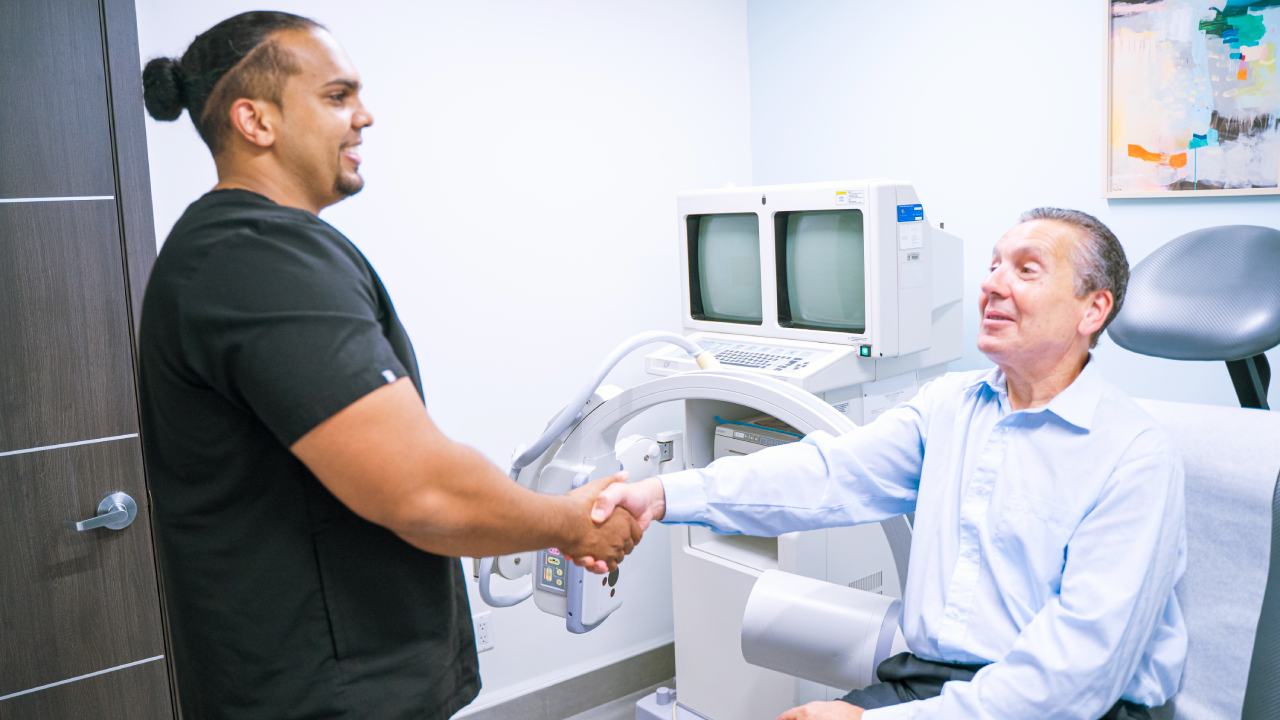
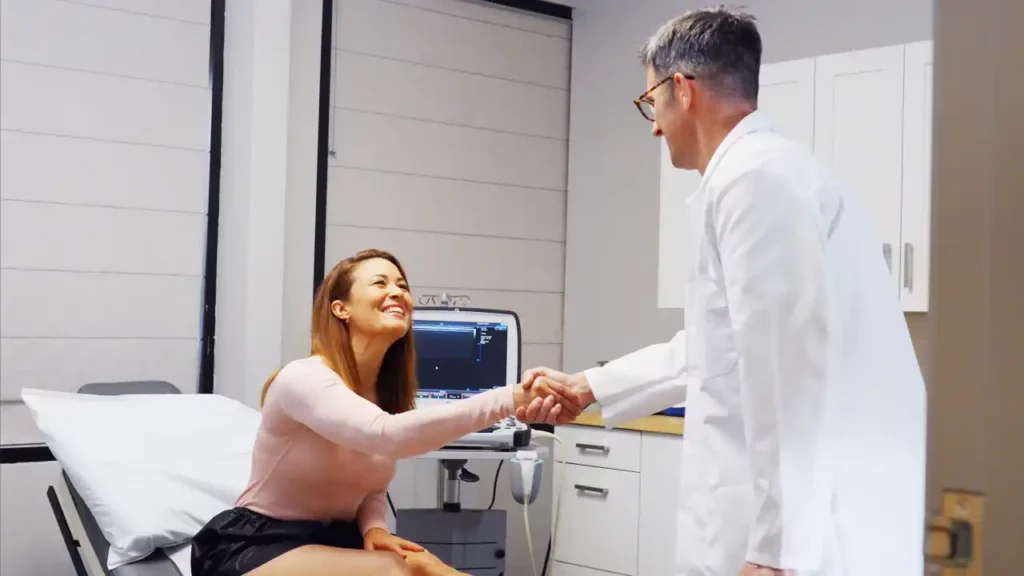
Every VeinVanish journey begins with a thorough consultation. In my practice, this appointment is never rushed. I want to understand your full history: when your symptoms started, what makes them better or worse, whether you have had any prior leg injuries, and what you have already tried, whether that is compression stockings, elevation, or other lifestyle adjustments.
I also perform a physical examination of your legs, noting the location and character of any visible veins and looking for clinical signs of chronic venous insufficiency such as swelling, skin changes, or discoloration of the lower legs.
This first visit sets the foundation for everything that follows. What I tell my patients at this stage is that vein care is not one-size-fits-all. The treatment that is right for you depends entirely on what is driving your symptoms.
Step 2: Diagnostic ultrasound
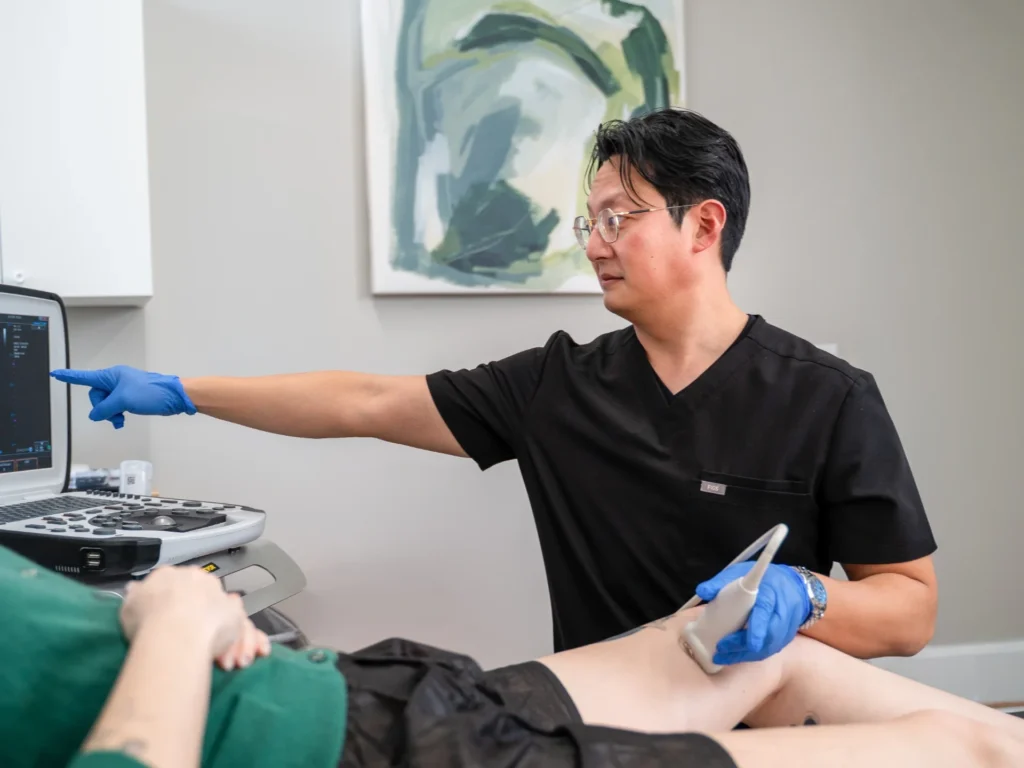
After the consultation, most patients undergo a venous duplex ultrasound. This is a painless imaging study that allows us to see the deeper venous system in your legs, including veins that are not visible from the outside.
What we are looking for is a condition called venous insufficiency, where the valves inside your veins are not closing properly and blood is moving backward rather than returning efficiently upward. This is the root cause behind many cases of varicose veins, leg heaviness, and persistent swelling.
In my practice, I always walk through the ultrasound findings with my patients directly. If we identify insufficiency, I show them exactly where it is and explain what it means for their symptoms. That kind of transparency is core to the VeinVanish approach: you should always understand why we are recommending what we are recommending.
Step 3: Your personalized treatment plan
Once the diagnostic picture is complete, we review the findings together. Based on your ultrasound results, your symptoms, and your personal goals, I will create a treatment plan designed specifically for you.
What I tell my patients is that the plan comes first, and the procedures follow, not the other way around. The VeinVanish methodology is built on the philosophy that addressing veins without a comprehensive plan often leads to incomplete results. When we assess the full picture first, we can address the root cause and the visible symptoms together in a coordinated way.
Depending on your situation, your plan may involve one approach or a combination of minimally invasive treatments. Your doctor will explain each option clearly, including what to expect during and after each procedure.
Step 4: Minimally invasive treatment
VeinVanish treatments are performed in a clinical office setting, not an operating room. Procedures are minimally invasive, and most patients return to normal activities within a day or two.
In my practice, I make sure every patient feels prepared and comfortable on the day of treatment. We review the plan together one more time before we begin, and I welcome any last questions. Local anesthesia is used to keep patients comfortable throughout.
Treatment is focused on the areas identified in your personalized plan. The VeinVanish approach is designed to be efficient and thorough, never cutting corners, and always respectful of your time and comfort.
Step 5: Follow-up and long-term care
After treatment, follow-up is a built-in part of the VeinVanish methodology, not an afterthought. In my practice, follow-up appointments allow us to confirm that treated areas are responding as expected, address any questions that have come up, and assess whether any additional steps are warranted based on your progress.
What I tell my patients is that vein care is an investment in the long-term health and comfort of your legs. Follow-up gives us the opportunity to make sure that investment is paying off. If new veins develop over time (which is possible, particularly with a family history or ongoing contributing factors), we address them as part of your ongoing care relationship.
Why VeinVanish is different
Many patients come to me after years of being told to manage their symptoms with compression stockings, or after pursuing treatment elsewhere that delivered only partial results. What I hear most often from those patients is that no one took the time to look at the full picture.
That is precisely what VeinVanish is designed to do. The methodology is comprehensive because vein disease is often more complex than it appears on the surface. By starting with advanced diagnostics and building a personalized plan before any procedure begins, we give every patient the strongest possible foundation for lasting improvement.
Frequently asked questions
Is the VeinVanish treatment painful?
Most patients find VeinVanish procedures to be well-tolerated. Local anesthesia is used throughout, and the minimally invasive nature of the treatments means most patients experience minimal discomfort. Your doctor will discuss what to expect based on your specific treatment plan.
Will my insurance cover VeinVanish treatment?
Many insurance plans cover vein treatment when it is deemed medically necessary. The VeinVanish methodology includes thorough diagnostic documentation that supports insurance coverage requests. Your care team will verify your benefits and work with your insurer on your behalf.
How long does the VeinVanish process take from first visit to treatment?
The timeline varies based on your clinical picture and any insurance verification steps needed. Your doctor will give you a clear overview of the expected timeline during your initial consultation and after your diagnostic evaluation is complete.
Can I go back to work after treatment?
Most patients return to normal daily activities quickly after minimally invasive VeinVanish procedures. Your doctor will provide specific aftercare instructions based on the treatments in your personalized plan.
Ready to learn more about the VeinVanish process?